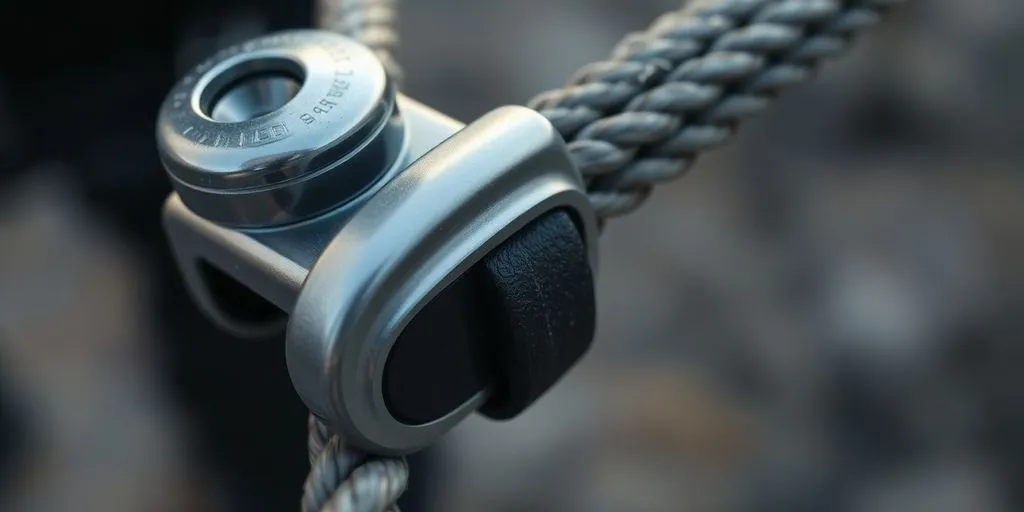
Ever wonder how folks get up those really tall structures or out of tricky spots without breaking a sweat? Chances are, they’re using a power ascender.
These cool tools have changed how people work at heights and in challenging situations. This guide will walk you through everything you need to know about a power ascender, from what it is to how to pick the best one for your needs.
What is a Power Ascender?
So, what exactly is a power ascender? Well, think of it as a motorized rope-climbing device. Instead of hauling yourself up a rope using your own strength, a power ascender does the work for you. It’s like having a tiny, portable winch that you can attach to a rope and ride up or down. These things are seriously cool and can make a huge difference in various industries and situations.
Power ascenders are pretty straightforward in how they function. They use a motor to grip and pull a rope, allowing the user to ascend or descend with minimal physical effort.
The motor is usually powered by a battery, making the device portable and easy to use in different locations. The rope is fed through a mechanism that grips it tightly, preventing slippage and ensuring a smooth, controlled movement.
The cool thing about power ascenders is their versatility. You can use them for all sorts of jobs, from inspecting wind turbines to rescuing people from tricky spots. They’re designed to be reliable and safe, which is super important when you’re working at height or in dangerous conditions.
Here’s a quick rundown of the key components:
- Motor: Provides the power to drive the ascender.
- Battery: Powers the motor, allowing for cordless operation.
- Rope Grip: Securely holds and moves the rope.
- Control System: Allows the user to control the speed and direction of movement.
These components work together to create a device that can significantly improve efficiency and safety in vertical work environments. For example, ActSafe Power Ascenders are used in many industries.
Key Benefits of Using Power Ascenders
Power ascenders are changing how industries approach vertical work. They bring a lot to the table, making jobs easier, safer, and faster. Let’s break down the main advantages.
- Increased Efficiency and Speed
Power ascenders significantly boost efficiency by reducing the time it takes to ascend and descend ropes. Forget slowly inching your way up; these devices offer a quick and controlled way to move vertically.
This is a game-changer, especially when workers need to make multiple trips up and down during a shift. The speed at which tasks can be completed translates directly into increased productivity and cost savings.
- Reduced Physical Strain and Fatigue
One of the biggest benefits of using power ascenders is the reduction in physical strain. Manual rope climbing is exhausting, leading to fatigue and potential injuries.
Power ascenders take away the need for strenuous pulling and climbing, letting workers focus on the task at hand. This is especially important for jobs that require prolonged work at height.
Using power ascenders can lead to a noticeable decrease in worker fatigue, which not only improves job quality but also reduces the risk of accidents caused by exhaustion.
- Enhanced Safety Features
Safety is always a top priority when working at height, and power ascenders come with features designed to make things safer. Many models include built-in safety mechanisms, such as emergency stop buttons and backup systems.
These features provide an extra layer of protection, reducing the risk of falls and other accidents. Plus, because workers aren’t as tired, they’re more alert and less likely to make mistakes.
Here’s a quick look at some common safety features:
- Emergency stop
- Overload protection
- Descent control
Applications of Power Ascenders

Power ascenders are becoming indispensable in various industrial settings. Their ability to lift personnel and equipment safely and efficiently makes them ideal for tasks at height.
- Wind turbine maintenance is a prime example, where technicians need to access nacelles quickly and safely.
- In construction, power ascenders aid in facade work, window cleaning, and inspections.
- They also see use in bridge maintenance, allowing workers to reach difficult areas with ease.
The versatility of power ascenders in industrial applications stems from their ability to reduce setup time and physical strain, leading to increased productivity and worker safety.
In tactical and rescue scenarios, speed and reliability are paramount. Power ascenders provide a significant advantage in these situations. They can be used to:
- Quickly deploy personnel to elevated positions during tactical operations.
- Facilitate the rescue of individuals from tall structures or difficult terrain.
- Assist in rope access techniques for swift and controlled ascents and descents.
Arborists and tree care professionals are increasingly adopting power ascenders to improve their efficiency and safety. Traditional climbing methods can be physically demanding and time-consuming. Power ascenders:
- Reduce the physical strain on arborists, allowing them to work for longer periods without fatigue.
- Enable the safe and efficient removal of large branches or sections of trees.
- Facilitate the inspection and maintenance of trees in urban environments where access may be restricted.
Choosing the Right Power Ascender

So, you’re in the market for a power ascender? Awesome! It’s not as simple as grabbing the first one you see, though. There are a few things to keep in mind to make sure you get the right tool for the job. Let’s break it down.
Let’s get into the nitty-gritty. First up: weight. You’re going to be lugging this thing around, so you don’t want something that feels like you’re carrying a small car. Think about the kind of work you’ll be doing.
Are you climbing all day, or just using it for short bursts? A lighter ascender will be your best friend if you’re doing a lot of moving.
Next, battery life. This is a big one. Imagine being halfway up a wind turbine and your ascender dies. Not ideal, right? Check the battery life specs and see how it matches up with your typical workday. Some ascenders have swappable batteries, which can be a lifesaver. Others boast longer run times but might be heavier. It’s a balancing act.
And finally, load capacity. This is non-negotiable. Make sure the ascender can handle your weight plus the weight of any gear you’ll be carrying. Exceeding the load capacity is a recipe for disaster.
Always err on the side of caution and choose an ascender with a higher capacity than you think you’ll need. ActSafe introduced the world’s first commercially available Power Ascender back in 1997.
Think about the environment where you’ll be using the ascender. Is it hot, cold, wet, or dusty? Some ascenders are built to withstand harsh conditions better than others. Consider models with weather-resistant features if you’re working outdoors a lot.
Here’s a quick rundown:
- Weight: Lighter is better for prolonged use.
- Battery Life: Match it to your workday; consider swappable batteries.
- Load Capacity: Always exceed your expected load for safety.
- Environmental Resistance: Choose weather-resistant models for outdoor work.
Maintenance and Safety Tips
Power ascenders are pretty cool tools, but like any piece of equipment that gets you off the ground, keeping them in good shape and using them safely is super important. It’s not just about avoiding breakdowns; it’s about keeping everyone safe and sound.
Okay, so you’ve got your power ascender. Now what? Well, first off, read the manual. Seriously. I know it’s tempting to just dive in, but those manuals are there for a reason. They’ll tell you exactly how to maintain your specific model.
But here are some general things to keep in mind:
- Regular Cleaning: Dirt and grime can mess with the moving parts. Wipe down the ascender after each use with a damp cloth. Don’t go crazy with the water; just a little wipe-down will do. Pay special attention to the rope grab and any other parts that come into contact with the rope.
- Check the Rope: Make sure your rope is in good condition. Frayed ropes are a big no-no. Replace them when they start to look worn. Also, use the right type of rope for your ascender. The manual will tell you what’s recommended.
- Battery Care: If your ascender is battery-powered, take care of the battery. Don’t let it sit around fully discharged for long periods. Follow the manufacturer’s instructions for charging and storage. Extreme temperatures can also mess with battery life, so keep that in mind.
- Inspect Regularly: Before each use, give the ascender a good once-over. Look for any signs of damage, like cracks, loose bolts, or frayed cables. If you see anything that doesn’t look right, don’t use it until it’s been inspected by a qualified technician.
It’s a good idea to keep a maintenance log. Write down when you cleaned it, when you replaced parts, and any other maintenance you performed. This will help you keep track of everything and spot potential problems early on.
Safety is paramount. Always use a backup safety line. No exceptions. Even if you’re just going up a few feet, a backup line can save your life. Make sure everyone using the ascender is properly trained and knows how to use it safely. This isn’t something you can just wing. And finally, never exceed the ascender’s weight limit. It’s there for a reason.
So, that’s the scoop on power ascenders. They’re pretty cool tools, right? From getting stuff up high in factories to helping out in tricky rescue spots, these things really change the game.
It’s not just about making things easier, it’s about making them safer too. When you pick one out, just remember to think about what you’ll actually use it for. And always, always make sure you know how to use it right. Stay safe out there!
Frequently Asked Questions
What exactly is a power ascender?
A power ascender is a special tool that helps people climb ropes or lift heavy things with a motor. Think of it like a mini-elevator that runs on a rope. It makes going up much easier than climbing by hand.
Where are power ascenders commonly used?
They are used in many different jobs! For example, they help workers on tall wind turbines, assist rescue teams in emergencies, and even help people who trim trees get high up in the branches safely.
What should I look for when buying a power ascender?
When picking one out, you should think about how much it weighs, how long its battery lasts, and how much weight it can lift. These things matter, so you get the right tool for your specific needs.