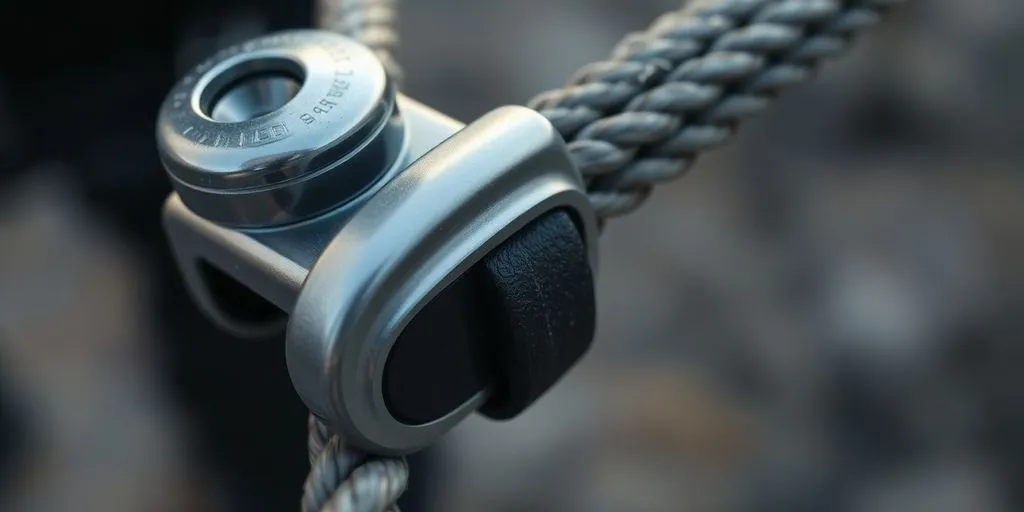
Finding the right gear for tree work can be a bit tricky, especially when it comes to things like ascenders. You want something that works well, keeps you safe, and makes your job easier up in the canopy. This article will help you find out the best ascender for tree climbing and how to pick the best one for your needs. We’ll go over different kinds, how to set them up, and some tips for using them safely and effectively.
Understanding the Best Ascender for Tree Climbing
Okay, so what exactly makes an ascender “the best” for tree climbing? It’s not a one-size-fits-all thing, that’s for sure. For us, it’s about finding that sweet spot where efficiency meets safety, and comfort doesn’t take a backseat. We’re talking about a tool that feels like an extension of ourselves, not a clunky add-on.
It’s about how well it meshes with our climbing style and the specific demands of the job. Think about it: are we doing mostly removals, or are we focused on delicate pruning? The answer changes everything. The chest ascender is a great tool for climbing.
Key Features of a Top Tree Climbing Ascender
When we’re checking out ascenders, there are a few things we always look for. First, how well does it grip the rope? Slippage is a no-go. Then, we consider the weight. Nobody wants to lug around extra baggage when they’re 50 feet up.
Durability is a big one too – we need something that can handle the daily grind. And let’s not forget ease of use. Can we operate it with gloves on? Is it easy to attach and detach? These little things make a huge difference when we’re working against the clock. Here’s a quick rundown:
- Rope Compatibility: Does it work with our preferred rope diameter?
- Ergonomics: Does it fit comfortably in our hand or against our chest?
- Locking Mechanism: Is it secure and easy to operate?
Why the Right Ascender Matters for Arborists
Listen, the right ascender isn’t just a nice-to-have; it’s a game-changer for us arborists. It can save us energy, boost our efficiency, and, most importantly, keep us safe. Think about it: a good ascender can reduce fatigue, allowing us to work longer and more comfortably. It can also improve our precision, letting us make those critical cuts with confidence. And when it comes to safety, a reliable ascender is our lifeline. It’s the difference between a smooth climb and a potential disaster.
Investing in quality gear is investing in ourselves. It’s about respecting the profession and ensuring we can continue doing what we love for years to come. Don’t skimp on the essentials; our bodies will thank us later.
Types of Ascenders for Tree Climbing

Ascenders are super important for getting up those trees safely and efficiently. We’ve used a bunch of different types, and each has its own strengths. Let’s break down the main kinds we rely on.
Handled Ascenders for Efficient Ascent
Handled ascenders are what we often reach for when we need to make a quick climb. The handle gives you a solid grip, letting you pull yourself up the rope with less effort. Ergonomics matter a lot here; a good handle can save your hands on a long day. We find they’re great for longer ascents where efficiency is key. They usually have a cam that grips the rope when you pull down and releases when you push it up. It’s a simple but effective system.
Foot Ascenders for Enhanced Mobility
Foot ascenders are game-changers for mobility in the tree. They attach to your boot and let you use your legs to push yourself up the rope. This frees up your hands for other tasks, like positioning or working with tools. We often pair them with handled ascenders for a really efficient system.
- They come in different styles, like those that attach to the ankle or the toe.
- Some even have quick-release mechanisms for easy adjustments.
- Using foot ascenders can seriously reduce fatigue on long climbs.
Foot ascenders are great because they let you use your legs, which are way stronger than your arms. This means you can climb for longer without getting as tired. Plus, having your hands free is a huge advantage when you need to handle equipment or maneuver around branches.
Chest Ascenders for Integrated Systems
Chest ascenders are designed to work as part of a larger climbing system. They attach to your harness and keep the rope running smoothly in line with your body. This helps maintain an upright position and reduces strain.
We find them especially useful when we’re using a rope-walking system, where smooth, continuous movement is important. They often have a gate that opens to easily attach or detach the rope, which is super handy when you’re switching between different climbing techniques.
Optimizing Your Best Ascender for Tree Climbing Setup
We all want a smooth climb, right? System play can really mess that up. Think of it like this: the more movement you have in your setup before the ascender actually engages, the more energy you waste. Your bridge introduces some play, and so does the biner/hitch attachment.
- Use shorter split tails.
- Minimize connectors.
- Keep everything snug.
Less play equals more efficient climbing. It’s about making every movement count and not fighting against a system that’s working against you.
Integrating Footloops with Handled Ascenders
Footloops and handled ascenders? A match made in climbing heaven. By adding a footloop to your handled ascender, you’re essentially creating a step-up system. This lets you use your legs more, saving your arms from getting totally fried.
- Attach a footloop (8mm rope works great) to the handled ascender below the hitch.
- Adjust the length so you can stand up without straining too much.
- Smaller steps are more efficient.
Techniques for Ascent Away From the Trunk
Climbing away from the trunk can be tricky, but with the right technique, it’s totally doable. To get started, you might need to hand-feed the tail through the foot ascender a few times.
If you’ve minimized play, you should be able to climb with both hands above the hitch, or one above and one below. Your foot ascender takes out the slack. When you sit back to rest, the hitch should grab. Sometimes you need to take slack out of the system.
- Hand-feed the tail initially.
- Keep tension on the system.
- Use your foot ascender to manage slack.
Advanced Techniques with the Best Ascender for Tree Climbing
When we’re climbing, sometimes it’s all about that solid feel. Using the trunk for support can seriously improve stability. Plant one foot on the trunk – the one with your foot ascender on the rope’s tail. Climbing this way is way easier than body-thrusting. Remember to use your foot ascender to keep the system tight as you go.
Alternate Use of Handled Ascenders
Let’s shake things up a bit. Try putting a handled ascender on the tail below your hitch. Attach a footloop (single or double – your call) to that handled ascender. Adjust the footloop length so when you push the ascender up as high as it goes under the hitch, you’re in a good spot to stand up on the loops.
Don’t make the loops too high, or you’ll be flat on your back trying to stand – arms will burn out fast. Smaller steps are more efficient. Keep your body as upright as you can.
Managing Slack with Your Best Ascender for Tree Climbing
Slack in your system? No good. It introduces play, and play means wasted energy. To kick things off away from the trunk, you might need to hand-feed the tail through the foot ascender a few times. If you’ve cut down on play, you should be able to climb with both hands above the hitch, or one above and one below.
As you climb, the hitch should just glide on the rope. Your foot ascender takes out the slack. When you lean back or reach a branch, the hitch should catch. Sometimes, you might need to give it a little nudge to get it to grab.
Safety Considerations for the Best Ascender for Tree Climbing
We all know that tree-climbing gear takes a beating. Before each climb, give your ascender a good once-over. Look for cracks, wear, or any signs of damage. A small problem now can turn into a big one up in the tree. Check the cam, the frame, and any moving parts. If something looks off, don’t risk it – replace it. It’s just not worth it.
We should also keep a log of inspections, noting any issues found and when the ascender was last serviced. This helps us track the gear’s history and anticipate potential problems.
Proper Attachment and Usage
How we attach our ascender is just as important as the ascender itself. Make sure you’re using the right carabiners and that they’re properly locked. Double-check everything before you leave the ground. And, of course, use the ascender the way it’s intended.
Don’t try to MacGyver it into something it’s not. We need to ensure that the rope is running smoothly through the ascender and that it’s gripping properly. A chest ascender can be a great addition to your setup, but only if it’s used correctly.
Understanding Load Limits and Durability
Every ascender has a load limit, and it’s there for a reason. Don’t exceed it. Consider not just your weight, but also the weight of your gear. Durability is also key. Some ascenders are built to last longer than others.
Read the manufacturer’s specs and choose one that fits the kind of climbing we do. We should also be aware of environmental factors that can affect the ascender’s strength, such as prolonged exposure to sunlight or chemicals.
It’s easy to get complacent when we’re climbing regularly, but safety should always be our top priority. Taking a few extra minutes to check our gear and understand its limitations can make all the difference.
Here’s a quick checklist we can use before each climb:
- Inspect the ascender for damage.
- Verify proper attachment.
- Confirm load limits.
- Check rope compatibility.
Choosing the Best Ascender for Tree Climbing Brands
When it comes to tree climbing ascenders, several brands stand out. Petzl is a big name, known for quality and innovation. They’ve been around for a while and have a solid reputation. Another brand to consider is Husqvarna climbing gear.
They are known for robust forestry and arborist products. Don’t forget about other brands like Teufelberger and DMM, each offering unique features and benefits. It really comes down to what you value most in your gear.
Innovations in Ascender Technology
Ascender technology is always evolving. We’re seeing lighter materials, improved grip mechanisms, and more ergonomic designs. Some ascenders now incorporate features like integrated swivels to reduce rope twisting.
Keep an eye out for brands that are pushing the boundaries of what’s possible. These innovations can make a real difference in your efficiency and comfort while climbing.
User Reviews and Recommendations for the Best Ascender for Tree Climbing
Before you commit to a specific ascender, take some time to read user reviews. What do other arborists and tree climbers have to say about it? Do they find it easy to use? Is it durable enough for the demands of the job? User reviews can provide valuable insights that you won’t find in product descriptions.
Here are some things to consider when reading reviews:
- Look for recurring themes, both positive and negative.
- Consider the reviewer’s experience level.
- Be wary of overly positive or negative reviews that seem biased.
Ultimately, the best ascender for you will depend on your individual needs and preferences. But by doing your research and considering the experiences of other users, you can make a more informed decision.
Maintenance and Care for Your Best Ascender for Tree Climbing
Okay, so you’ve got your favourite ascender. Now what? Don’t just toss it in your gear bag and forget about it! We need to talk about cleaning and storage. Think of it like this: your ascender is an investment, and a little TLC goes a long way. After each climb, give it a good wipe down with a damp cloth to remove any dirt, sap, or grime.
Avoid harsh chemicals; warm water usually does the trick. Let it air dry completely before storing it. Moisture is the enemy, leading to corrosion and weakening the metal over time. Store your ascender in a cool, dry place away from direct sunlight and extreme temperatures. A gear bag or container works well, preventing it from getting banged around or exposed to the elements.
Identifying Wear and Tear on Your Best Ascender for Tree Climbing
Regular inspections are key to spotting wear and tear before it becomes a problem. We need to make this a habit. Check the cam for sharpness and any signs of rounding or damage. Look at the frame for cracks, bends, or corrosion. Inspect the attachment points for wear.
If you notice anything that seems off, don’t use the ascender until it’s been properly inspected by a qualified professional. It’s better to be safe than sorry. Here’s a quick checklist:
- Cam sharpness
- Frame integrity
- Attachment point wear
Ignoring wear and tear can lead to equipment failure, which can have serious consequences. Take the time to inspect your ascender regularly, and don’t hesitate to replace it if you see any signs of damage.
Extending the Lifespan of Your Tree Climbing Gear
Want to get the most out of your [tree climbing gear]? Here are a few tips to extend its lifespan.
- First, avoid overloading your ascender. Stick to the manufacturer’s recommended weight limits.
- Second, use proper climbing techniques to minimize stress on the equipment. Avoid shock loading or sudden jerks.
- Third, protect your ascender from abrasion. Keep it away from rough surfaces and sharp edges. Finally, consider using a rope protector to shield your climbing line from wear and tear. By following these simple guidelines, you can keep your ascender in top condition for years to come.
Conclusion
So, picking the right ascender for tree climbing really comes down to what you need it for and what feels good to you. There are lots of choices out there, from the simple ones to the super fancy. Think about how often you’ll use it, what kind of trees you’ll be climbing, and how much you want to spend.
Don’t forget to try out a few different types if you can, because what works for one person might not work for another. Safety is always the main thing, so make sure whatever you pick is strong and you know how to use it right. Happy climbing!
Frequently Asked Questions
What exactly is an ascender for tree climbing?
An ascender is a special tool that helps tree climbers go up ropes. It grips the rope so you can pull yourself up or stand on it. Think of it like a one-way grip that lets you move up but not slide back down.
Why is having the right ascender so important for someone who works with trees?
The best ascender makes climbing trees easier and safer. It helps you save energy, move more smoothly, and stay secure while you’re high up. Having the right one means you can do your job better and with less effort.
What are the different types of ascenders used for tree climbing?
There are a few main kinds: hand ascenders you hold, foot ascenders you attach to your foot, and chest ascenders that connect to your harness. Each type helps you climb in a different way, making the whole process more efficient.
How can I make my ascender system work as well as possible?
To make your ascender setup work best, you want to get rid of any extra looseness in the ropes and connections. This makes your movements more direct and less tiring. Also, learning how to use foot loops with hand ascenders and how to climb when you’re not right next to the tree trunk can really help.
What are the most important safety tips for using an ascender?
Always check your ascender for any damage before you use it. Make sure it’s attached correctly to your rope and harness. Also, know how much weight your ascender can safely hold, and don’t go over that limit. These steps keep you safe.
.