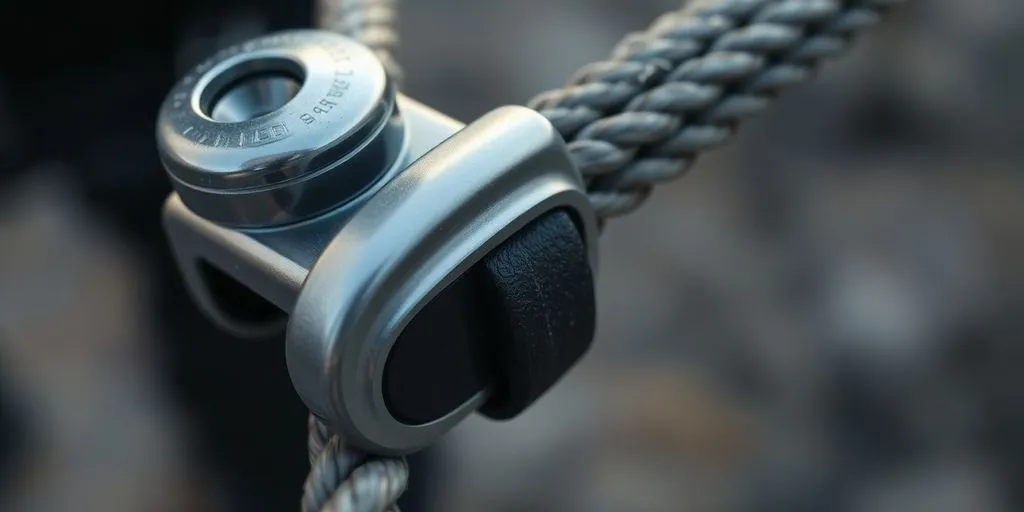
Climbing has always been about pushing limits, right? For ages, climbers have relied on their own strength and some pretty basic gear. But things are changing fast. There’s this new gadget, the automatic ascender, and it’s starting to shake things up. It makes climbing easier and safer, which is a big deal.
This article will look into how this automatic ascender works, what it means for climbers, and where this tech might go next.
From Traditional Tools To The Automatic Ascender
Remember the days of hemp ropes and iron pitons? Climbing gear has come a long way! We’ve moved from basic tools to high-tech equipment designed for safety and efficiency. It’s pretty wild to think about how much things have changed. The automatic ascender is just the latest step in this evolution. Mountaineering equipment has really changed the game.
Safety is always the top priority, right? Innovations like improved rope technology, better harnesses, and sophisticated belay devices have made climbing safer than ever before. These advancements have reduced accidents and opened up climbing to a wider range of people. It’s not just about getting to the top; it’s about getting back down in one piece.
Automation is creeping into all sorts of outdoor activities, and climbing is no exception. Automatic ascenders are a prime example, offering a new level of assistance and control. But it raises some interesting questions:
- How much automation is too much?
- Does it change the fundamental nature of the sport?
- What are the long-term implications for skill development?
It’s a balancing act. We want to embrace technology to make climbing more accessible and safer, but we also want to preserve the challenge and the connection with nature that makes climbing so rewarding.
How The Automatic Ascender Works
Okay, so how do these things actually work? Basically, an automatic ascender uses a motor to help you climb. It grips the rope and pulls you up, taking a lot of the physical strain out of climbing. We’re talking about a game-changer here. It’s not magic, but it feels pretty close. The climbing device does all the hard work.
Let’s break down what’s inside these ascenders. You’ve got a motor, obviously, and a battery to power it. Then there’s the rope gripping mechanism – super important for safety. And don’t forget the controls, so you can tell it when to go and stop. Here’s a quick rundown:
- Motor: Provides the power.
- Battery: Keeps the motor running.
- Rope Grips: Securely attach to the rope.
- Controls: User interface for operation.
Why bother with one of these things? Well, for starters, it makes climbing way easier. You can go higher and longer without getting as tired. Plus, it opens up climbing to people who might not have the strength or stamina for it otherwise. It’s about making climbing more accessible and enjoyable for everyone.
Automatic ascenders aren’t just about making climbing easier; they’re about expanding the possibilities. We can explore routes we never thought possible, push our limits in new ways, and share the joy of climbing with a wider community.
Safety And Performance Of The Automatic Ascender

Automatic ascenders are changing the game when it comes to safety. These devices come packed with features designed to minimize risks.
Think about it: controlled ascent and descent speeds, emergency stop mechanisms, and even backup systems in case something goes wrong. It’s like having a safety net built right into your climbing gear. We’re talking about a whole new level of security out there on the wall.
Let’s be real, climbing can be exhausting. But what if you could climb smarter, not harder? That’s where automatic ascenders come in. They help us manage our energy better, letting us focus on technique and strategy instead of just pure muscle power. This means we can push ourselves further and tackle more challenging routes.
Before any of this tech hits the market, it goes through some serious testing. We’re talking about:
- Load capacity tests
- Endurance trials
- Emergency scenario simulations
These tests make sure the ascenders meet strict safety standards. Certifications from organizations give us peace of mind, knowing the gear we’re trusting our lives to has been thoroughly vetted. It’s all about making sure we can climb with confidence.
Impact On The Climbing Community
Automatic ascenders? They’re changing the game. Suddenly, climbing isn’t just for the super-fit or the pros. Accessibility is way up. More people can get involved, regardless of their strength or experience. It’s pretty cool to see.
Solo climbing used to be this super risky thing, right? Now, with automatic ascenders, it’s different. It’s still solo, but there’s a safety net. It opens up new possibilities for climbers who like to push their limits alone. It’s not without risks, but it’s a new era for sure.
Okay, so new tech means new training. We’re seeing more courses pop up that teach climbers how to use these ascenders safely and effectively. It’s not just about strapping it on and going; there’s a learning curve.
Plus, there’s the whole adoption thing – some climbers are all in, others are sticking with traditional methods. It’s a mix, and it’ll be interesting to see how it all shakes out.
Future Developments For The Automatic Ascender

Imagine automatic ascenders that sync with your smartwatch or phone. We’re talking real-time data on battery life, ascent speed, and even environmental conditions. This could revolutionize how we plan and execute climbs.
Think about it: personalized ascent profiles based on your fitness level, or automatic adjustments to the ascender’s speed based on the terrain. It’s all about making climbing smarter and safer. This could also include features like remote access for diagnostics and software updates, ensuring your device is always performing at its best.
Nobody wants to lug around a brick on their harness. The future is all about lightweight and compact designs. We’re pushing for ascenders that are barely noticeable, without sacrificing power or durability.
- Smaller motors
- Advanced materials
- Optimized ergonomics
We envision ascenders that feel like an extension of your body, not a burden. This means more freedom of movement and less fatigue on long climbs.
We’re committed to making climbing more eco-friendly. That means exploring sustainable materials for ascender production. Think recycled aluminum, bio-based plastics, and ethically sourced components. It’s not just about performance; it’s about responsibility.
We want to minimize our impact on the environment and ensure that future generations can enjoy the sport we love. This also includes eco-friendly manufacturing processes to reduce our carbon footprint.
Cost Of Automatic Ascender Technology And Maintenance
Let’s be real, the price tag on automatic ascenders can be a major hurdle. It’s a significant investment compared to traditional climbing gear. We’re talking about a piece of tech that could set you back a fair amount, making it inaccessible for some climbers. This creates a divide in the community, where only those with deeper pockets can enjoy the benefits.
These aren’t your grandpa’s carabiners. Automatic ascenders are complex machines, and that means more things that can go wrong. Regular maintenance is a must, and repairs can be costly. We need to think about the long-term reliability of these devices, especially in harsh outdoor conditions. Will they hold up after years of use, or will we be constantly shelling out for
Comparing Automatic Ascenders To Traditional Methods
Okay, let’s be real – speed matters, especially when you’re trying to beat the weather or just push your limits. With traditional climbing, your pace is directly tied to your strength and how well you manage fatigue. Automatic ascenders? They change the game.
We’ve found that they let us maintain a more consistent speed, especially on longer routes. It’s like having a little engine helping you out. This can translate to covering more ground with less energy spent. Endurance is key, and ascenders definitely give us an edge.
Let’s face it, climbing can be exhausting. Traditional methods rely heavily on upper body strength, which can lead to early fatigue. Automatic ascenders, on the other hand, take a significant load off your arms. We’ve noticed that we can focus more on technique and less on just hauling ourselves up.
This reduction in physical exertion means we can climb longer, harder, and recover faster. Plus, it’s easier on the joints! Think of it as climbing smarter, not harder. If you are looking to improve your climbing efficiency, this is the way to go.
So, how do automatic ascenders stack up across different types of terrain? Well, traditional climbing techniques are pretty adaptable – you can use them almost anywhere with the right skills. But automatic ascenders? They shine in specific situations.
Think long, vertical routes or aid climbing. They might not be the best choice for traversing or navigating complex, uneven surfaces where you need a lot of freedom of movement. However, for straight-up ascents, they’re hard to beat. It really depends on what kind of climbing we’re doing that day.
Ultimately, the choice between automatic ascenders and traditional methods depends on our personal climbing style, the specific route, and what we’re trying to achieve. There’s no one-size-fits-all answer, but understanding the pros and cons of each approach helps us make informed decisions and climb more effectively.
Conclusion
So, there you have it. The automatic ascender is a pretty cool idea, right? It’s not just some fancy gadget; it could really change how we think about climbing. Imagine getting up those big walls with less effort. It might even open up climbing to more people, which is awesome.
Of course, there are still things to figure out, like making sure it’s super safe and easy to use. But honestly, the future looks bright for climbing, and these ascenders are a big part of that. It’s going to be interesting to see where this technology takes us.
Frequently Asked Questions
What is the use of auto ascender?
An automatic ascender is a special tool climbers use to go up ropes easily. It grabs the rope by itself as you move up, making climbing less tiring and safer.
How does an automatic ascender work?
It has a motor or a spring system that grips the rope. When you step up, the ascender moves with you and locks in place to stop you from falling back down.
Are automatic ascenders safe to use?
Yes, they are designed with many safety features, like strong locking systems and backup mechanisms, to keep climbers safe. They go through tough tests to make sure they are reliable.
How much do automatic ascenders cost?
Automatic ascenders are generally more expensive than traditional climbing gear because they use advanced technology and materials. However, prices can vary based on the brand and features.